A university acceptance letter often arrives with a catch: submit a certified diploma translation before the enrollment deadline. Study abroad offices rarely accept a diploma printed in its original language, and a rushed or inaccurate translation can delay a visa application by weeks. Knowing what certified diploma translation actually involves, and who is qualified to provide it, saves applicants from last minute scrambling and rejected paperwork.
What Certified Diploma Translation Actually Means
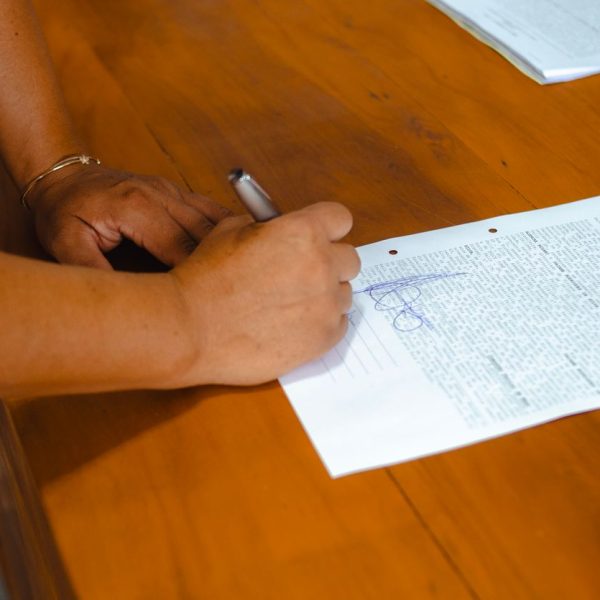
Certified diploma translation refers to a translated diploma accompanied by a signed statement from the translator or translation company confirming the document is complete and accurate. That statement, sometimes called a certificate of accuracy, is what separates a certified translation from a casual version done by a bilingual friend or an online tool. Most admissions offices, immigration agencies, and licensing boards specify certified translation diploma requirements in their application instructions, and they will reject a submission that lacks the signed certification page.
Why Schools And Employers Require It
Institutions request a certified translation of diploma documents because they need a reliable way to confirm what a foreign credential actually represents. A diploma from another country does not automatically show equivalent coursework, grading scale, or program length. Many admissions committees pair the translated diploma with a separate credential evaluation report, which maps foreign qualifications against local degree standards. That comparison process explains why translation alone does not guarantee academic recognition.
The Certified Diploma Translation Process Step By Step
The typical workflow starts with a document review, where the translator checks that the diploma is legible and complete, including any seals, stamps, or signatures. Next comes the translation itself, which must mirror the layout of the original as closely as possible, including headers, dates, and official titles. After translation, a project manager or the translator prepares the certification statement, prints it on letterhead, and signs it. Turnaround time typically ranges from two to five business days depending on the language pair and page count, though some providers offer rush service within 24 hours for an added fee. Some countries also require the finished package to be notarized or apostilled before a university will accept it, so applicants should confirm this early rather than after submission.
What To Gather Before Ordering A Translation
Before contacting a translator, applicants should locate the original diploma, any accompanying transcripts, and a valid photo ID with the exact name spelling used on official records. Having a clear scan or a high resolution photo speeds up the quote process, since translators need to see every stamp and signature clearly to reproduce the layout accurately. If the receiving institution has already specified a required format, sharing that instruction sheet with the translator upfront prevents a second round of corrections.
Diploma translation is only half the task; the certificate usually needs authenticating before an overseas institution or employer will look at it. Getting the order of operations wrong means starting again, since some steps cannot be applied retrospectively. This guide to document attestation lays out that sequence and where translation belongs in it.
Common Mistakes That Delay Approval
Applicants frequently choose the cheapest available option and end up with a diploma certified translation that lacks a proper certification page, which admissions staff send straight back. Others submit a translation with names spelled inconsistently across pages, which raises red flags during identity verification. A further mistake is ignoring formatting: if the original diploma has a raised seal in the corner, the translated version should note its presence and describe it rather than leaving that section blank. Finally, some students wait until days before a deadline to request certified diploma translation services, leaving no room for corrections if a university flags an issue.
Demand For International Study Keeps Rising
The number of applicants needing this kind of paperwork keeps climbing. According to Statista, the United States hosted 1,126,690 international students during the 2023/24 academic year, up from 1,057,188 the previous year. Each of those students likely needed at least one certified academic document translated before enrollment, which gives a sense of how routine this requirement has become across universities, not just an occasional exception for a handful of applicants.
Getting It Right The First Time
Working with a translator who specializes in academic documents reduces the back and forth with admissions offices. For readers who want a broader explanation of how certification works across document types, PoliLingua's guide on what a certified translation actually covers breaks down the differences between certified, notarized, and sworn translations in plain language. Anyone who later needs an official document translated for immigration or licensing purposes, beyond just a diploma, can also review PoliLingua's certified translation services page to see how the process applies to other paperwork.
Not every translator is qualified to produce a certified translation that universities and immigration offices will accept. A certified translator has demonstrated competence in both the source and target languages and understands the specific certification requirements of academic institutions. Beyond language skills, such a specialist knows how to format the certification statement, reproduce seals and stamps accurately, and maintain the layout integrity that admissions officers expect. Choosing a professional with proven experience in academic documents significantly reduces the risk of rejection and keeps the application timeline on track.
A certified diploma translation is rarely the hardest part of applying abroad, but it is one of the easiest steps to get wrong. Confirming the exact requirements with the receiving institution before ordering a translation, and choosing a translator who provides a proper certification statement, keeps the rest of the application on schedule. Applicants who confirm formatting requirements directly with the admissions office, rather than assuming a generic template will work, typically avoid the most common source of delay.